Friday, April 29, 2022

Green roof concepts from France, Iceland and Australia

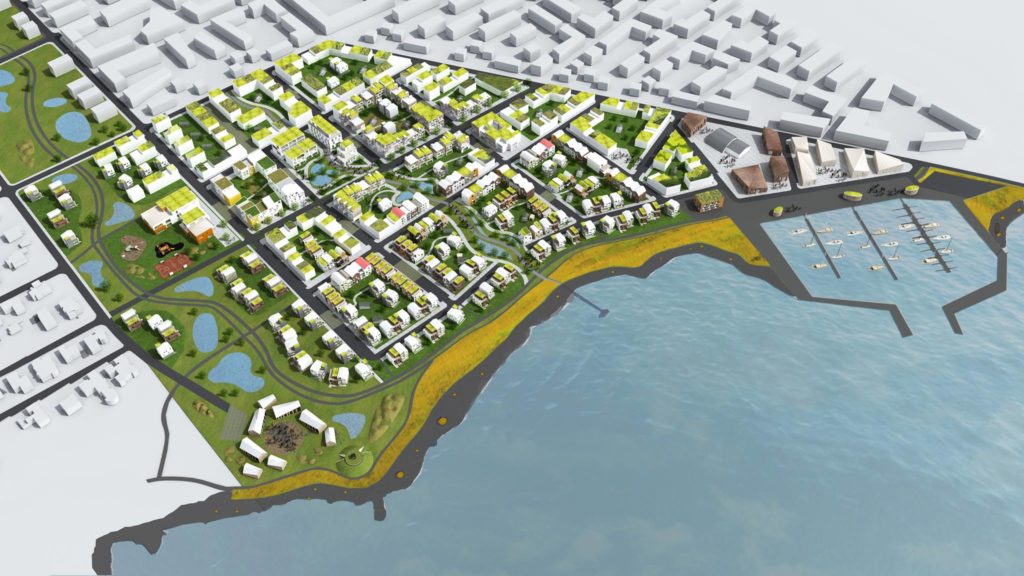
This development is  part of the plan to make Reykjavík more urban and less car-centric than it is today. It would be convenient to have eVTOLs landing on vertiports or these green roofs.

Barangaroo Apartment complex with green roof

Project by Dubuisson Architecture for a competition led by Icade. Paris France

Thursday, April 28, 2022

Masterplan of Mumbai vs. Nanjing

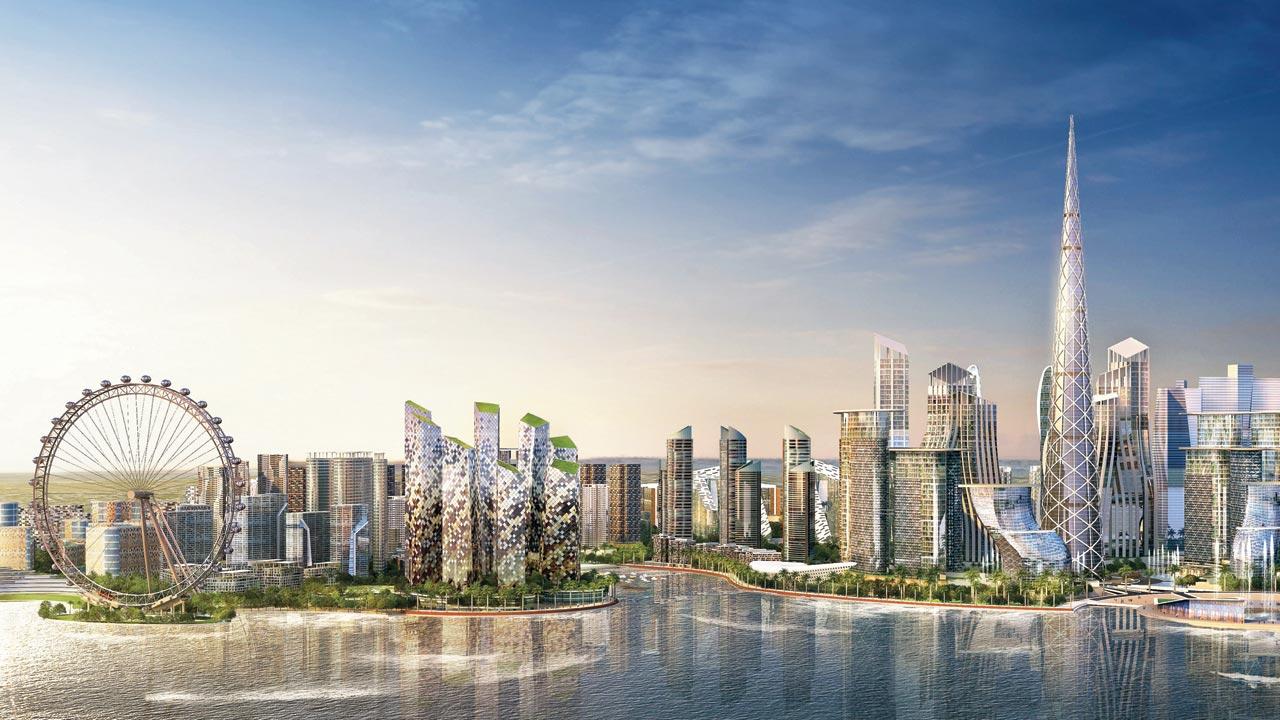
Mumbai Masterplan

Architect Hafeez Contractor’s Eastern Waterfront proposal of 2014. Sixteen years earlier, Contractor speculated, “All future development must necessarily be vertical.” Image Courtesy/Architect Hafeez 

Hafeez Contractor’s idea of what the Mumbai port land development should look like, including the world’s tallest building

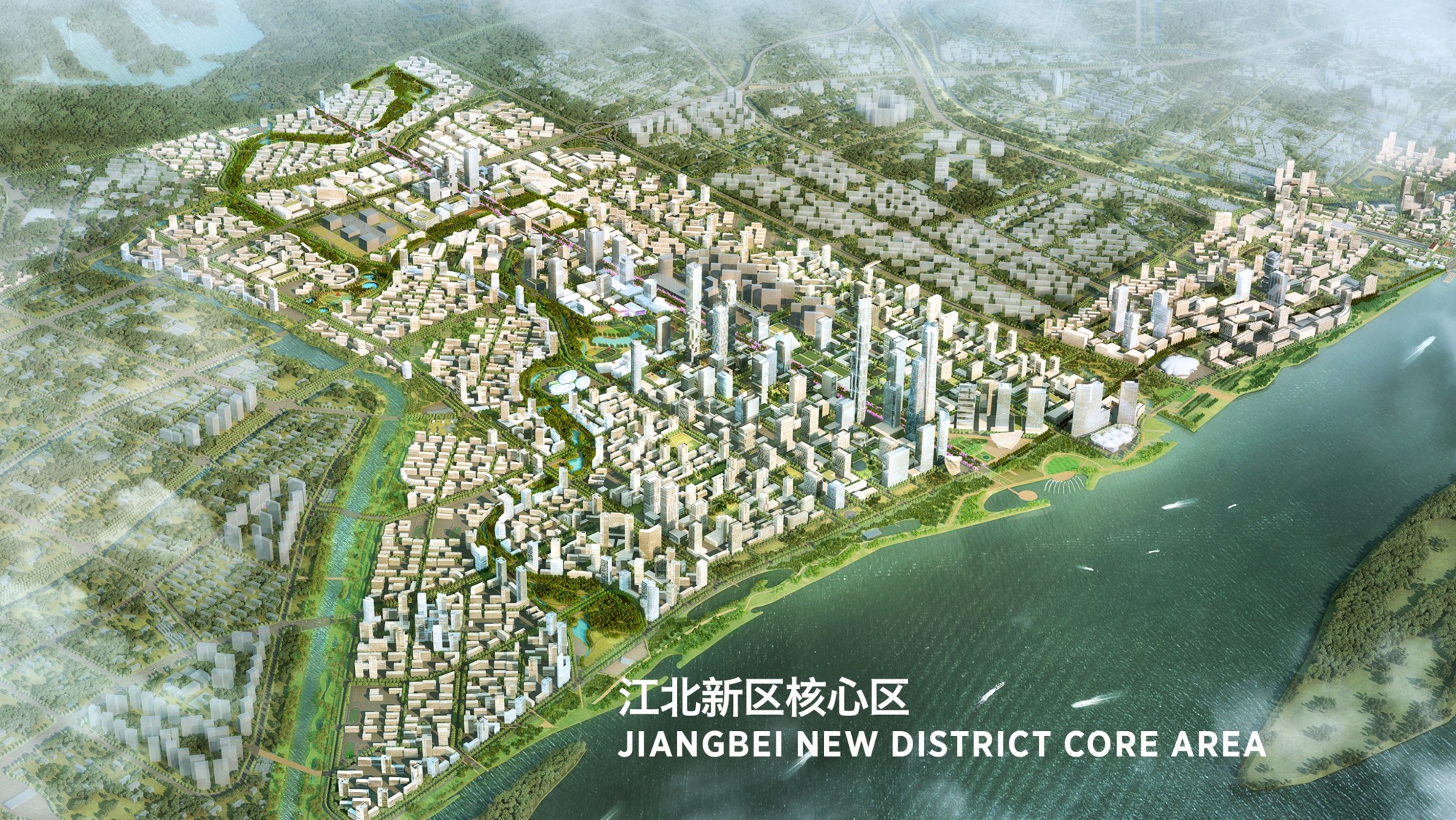
Jiangbei new district

Monday, April 25, 2022

Occupied Palestinian and Hungarian tree covered buildings

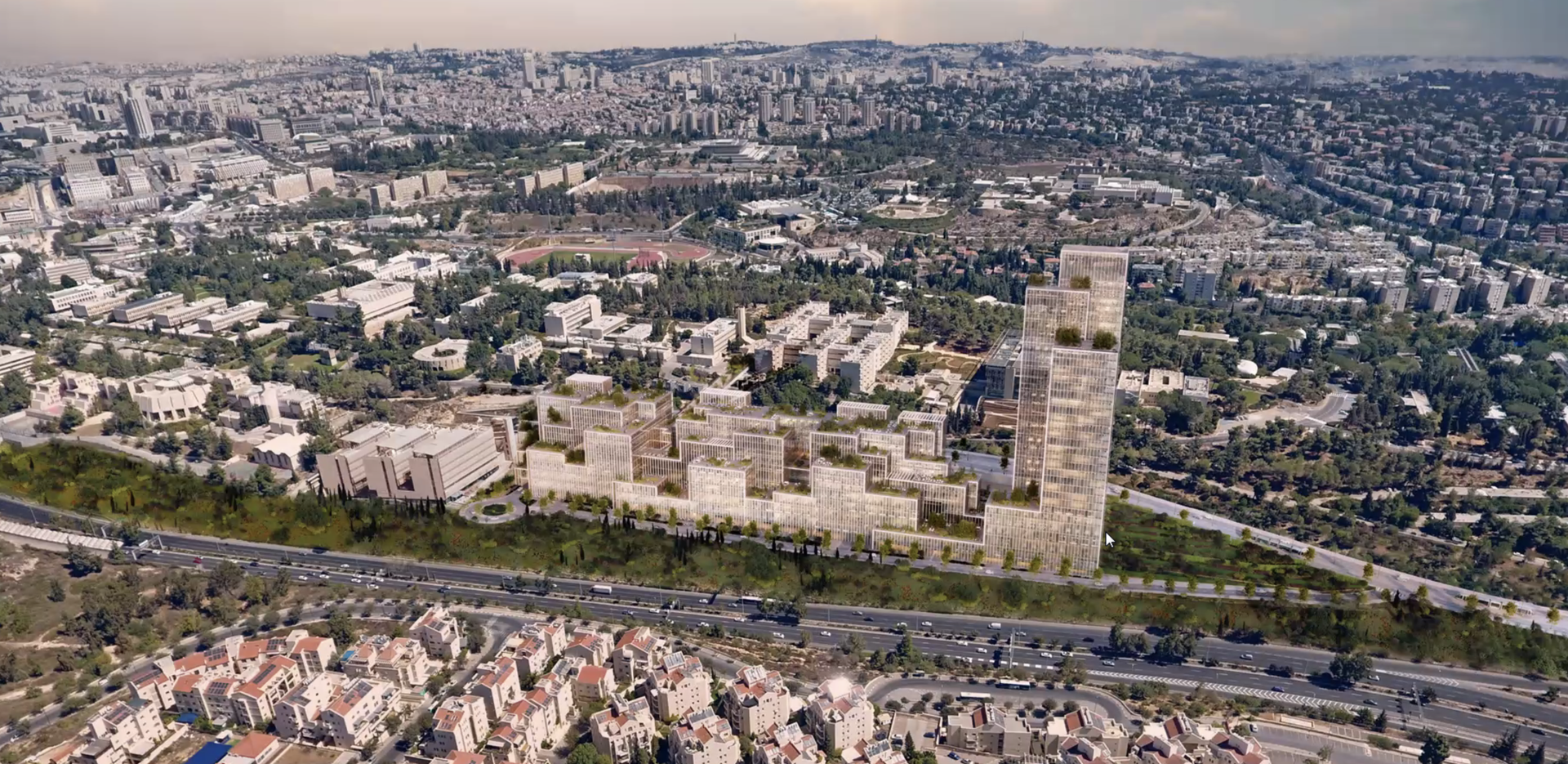
The Project is for a high tech centre in the Givat Ram area with rooftop gardens


Hungary building with greenery cover

Looks like Galaxy Soho Beijing

Sunday, April 24, 2022

Building made with Bamboo and Jute

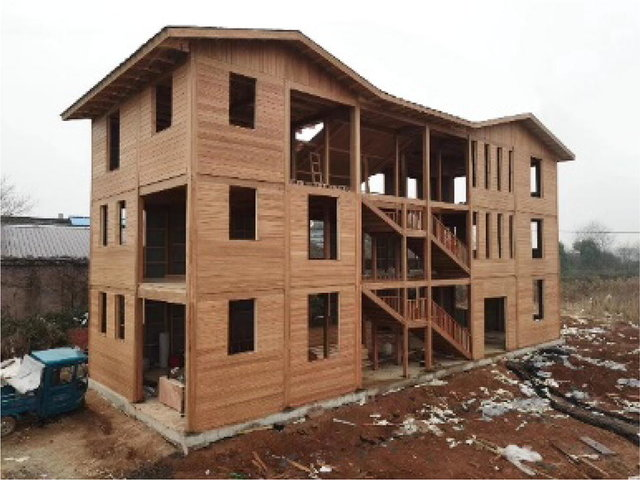
 Laminated bamboo lumber building in Nanjing Forestry University

First jute based eco-friendly shelter constructed in FDMN camp

Format
News and Press Release
 
Source
 
Posted
 
Originally published
 
Origin 

Environmental intervention unit (EIU) of icddr,b constructed the first ever jute based (Jutin) eco-friendly shelter in the Forcibly Displaced Myanmar Nationals (FDMN) camp in Cox’s Bazar, Bangladesh in collaboration with Dr Mubarak Ahmed Khan and Caritas, Bangladesh. Jutin, an alternative housing material made of jute and resin invented by Dr Khan, is durable, bio-acceptable, heat and saline water resistant. The project has been funded by Islamic Development Bank.

The Refugee, Relief and Repatriation Commissioner (RRRC), Cox’s Bazar, Md. Shah Rezwan Hayat along with Senior Assistant Secretaries and Camp In charges, Md. Monjur Ahsan, Md. Mezba Ul Alam Bhuiya and Md. Shahjahan visited the pilot house on February 02, 2022. Dr Md. Mahbubur Rahman, Lead, EIU, icddr,b and Dr Farjana Jahan, Principal Investigator of the Jutin house pilot project accompanied the RRRC during the visit. The event was also attended by representatives from Caritas Bangladesh, Inter Sector Coordination Group (ISCG), IOM, UNHCR and other shelter partners.

During the visit, the RRRC mentioned that Jutin is an excellent alternative housing material due to its durability, heat resistance, and eco-friendly properties. He also suggested that aside from the FDMN camp, Jutin houses can be scaled up in different government housing projects and in disaster-prone areas, particularly in Bhasanchar. He committed to continuing his support to scale up in different settings as well as connecting with relevant government ministries.


School made with Bamboo

IBUKU Designed This School Facility in Bali Using Only Bamboo

BY JESSICA ZUNIGA DECEMBER 28, 2021
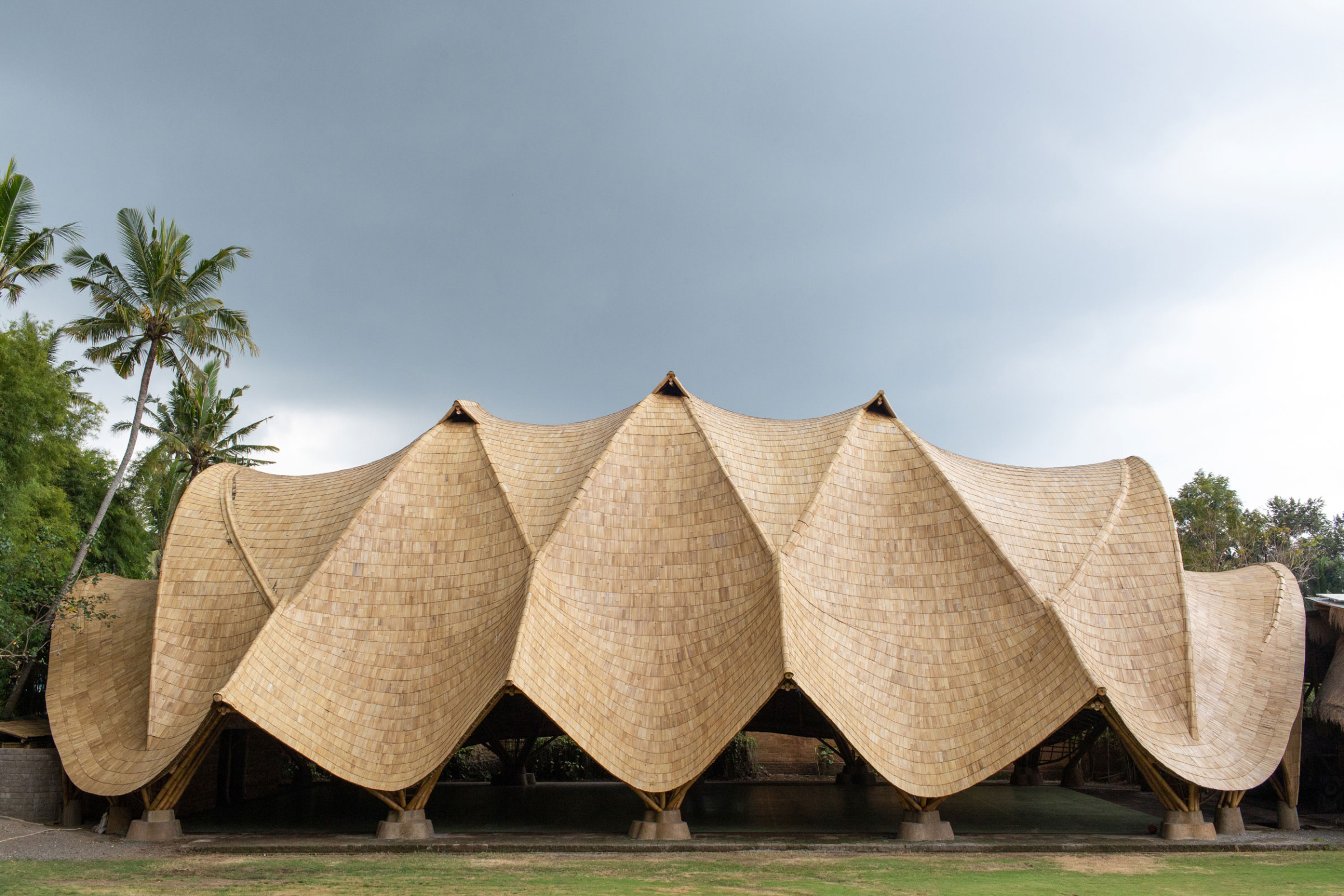
The Green School in Bali, sometimes referred to as the bamboo school, is a private, international school that teaches pre-K through high school. The campus highlights the natural environment and teaches sustainable practices. Photo by Tommaso Riva

Story at a glance:

The campus of the Green School in Bali is dense and green, with structures made from natural materials using both ancient techniques and modern technology. At the center of an open field, bordered by palm trees, stands the school’s largest and newest structure—The Arc.

Standing underneath the Arc’s gracefully sloped roof you feel like you’re in the belly of a whale, staring up at detailed weavings and large arches. The Arc spans more than 60 feet across and reaches 45 feet tall. The structure is built entirely with bamboo; its weaving arches are not only aesthetically beautiful but an impressive feat of engineering.
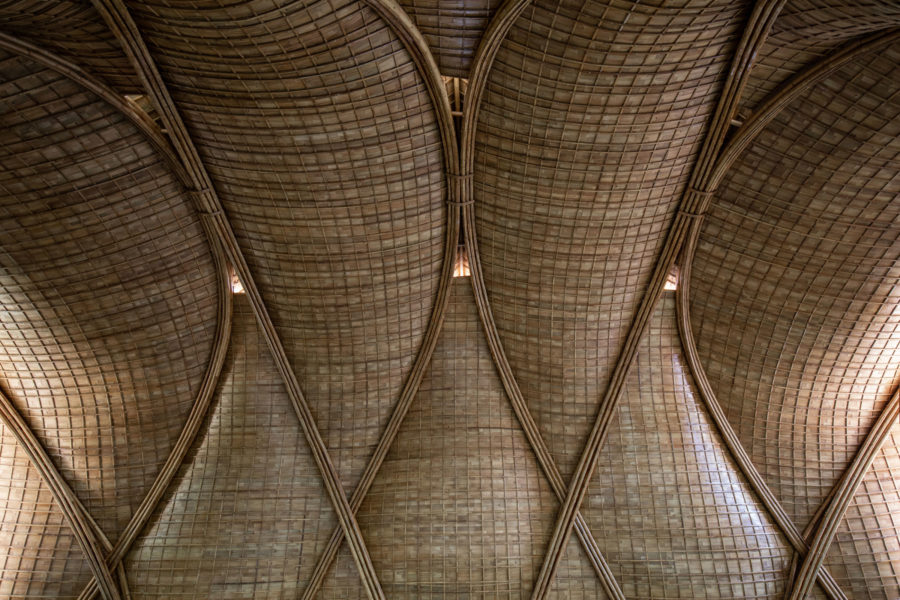

The Arc’s design was inspired by a mammal’s ribcage. The structure’s long arches are held in place by tensioned anticlastic gridshells. Photo by Tommaso Riva

Architecture firm IBUKU has designed the Green School’s buildings since the school opened in 2008, and they’ve built a world-renowned reputation for their innovative ways of working with natural materials. The Arc itself mimics shapes found in nature since the beginning of time, while also being a new type of building entirely.

When Green School founders Cynthia and John Hardy first conceived of the project, they too dreamt of building something new—a campus made from bamboo. More than a decade later, as the school prospered, the founders set out to build the largest assembly space on-campus.
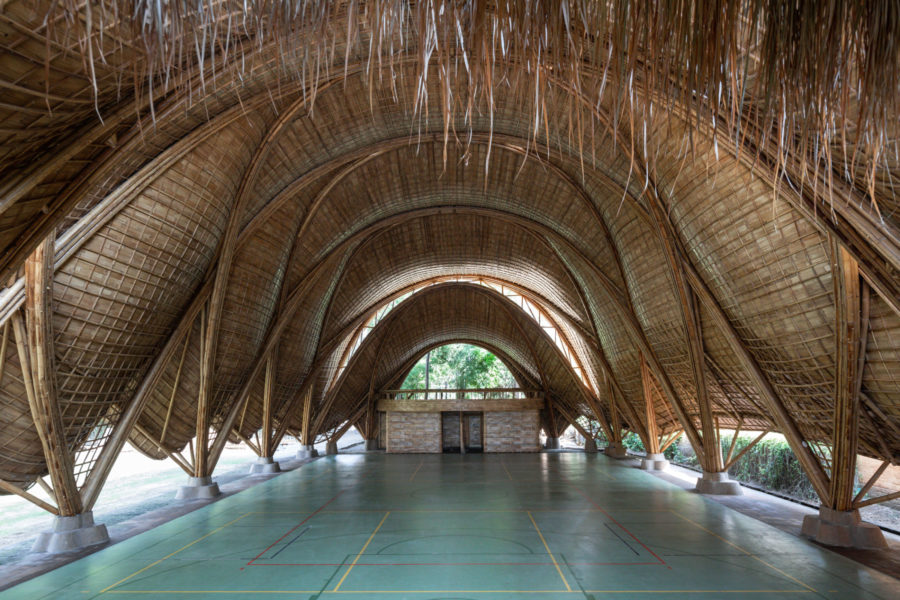

The Arc was not only designed as a gym for children to use but also as an event space. The design team wanted to make a building that the entire community would enjoy being in together. Photo by Tommaso Riva

The design concept stems first from its purpose as not just a place to meet, but as a school gymnasium. The vertical height clearance was non-negotiable as it was vital to meet local code requirements and to play sports unobstructed. The architects needed to have adequate natural light and airflow while also providing a sense of enclosure to the space. The arch of the bamboo inside reflects the path of a ball when being thrown through the air.

In its earliest stages, the simple solution was to use a roof over curved trusses. But the design team refused to settle for something so straightforward. Trusses were more likely to challenge height requirements and disrupt the feeling of unity they set out to achieve. Instead, the final design is made using a series of anticlastic gridshells to bind intersecting arches and create the carefully calculated shape.

“The gridshells use shape stiffness to form the roof enclosure and provide buckling resistance to the parabolic arches,” says Neil Thomas, the project’s structural engineer. “The two systems together create a unique and highly efficient structure, able to flex under load and allow the structure to redistribute weight, easing localized forces on the arches.
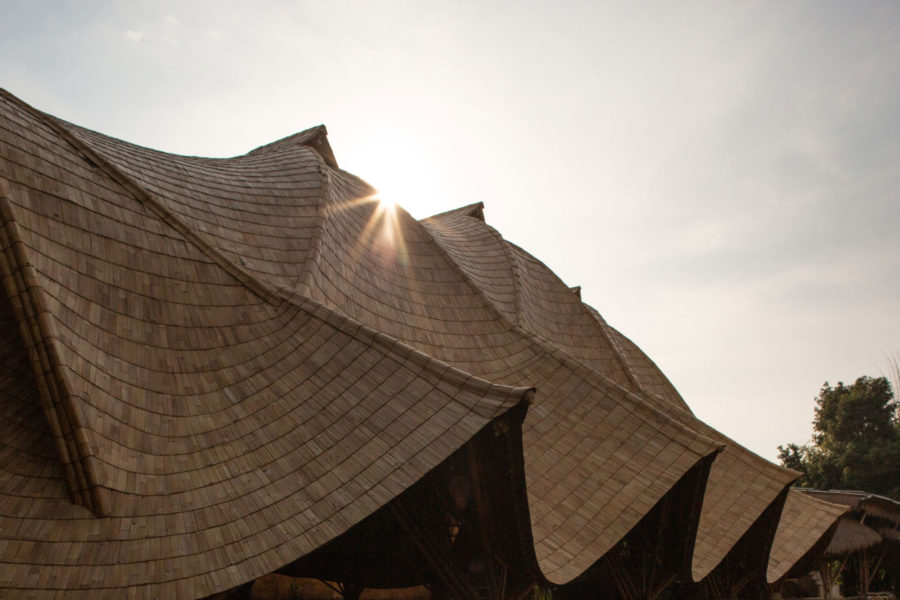

The Arc, designed by IBUKU. Photo by Tommaso Riva
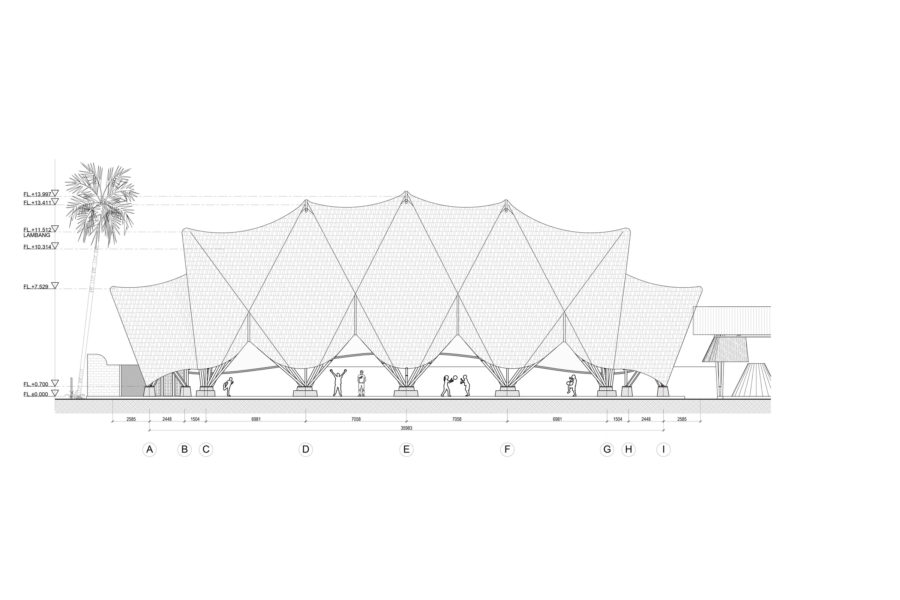

Drawing courtesy of IBUKU
Project Credits
Project: The Arc at Green School
Architect: IBUKU
Location: Bali, Indonesia
Completion: 2021
Size: 8,180 square feet
Structural Engineer: Atelier One
Concept: Jörg Stamm

As a material, bamboo creates infinite variability when high precision engineering is applied. IBUKU and the Green School invested a lot of time and research answering every question they could think of before moving on to the engineering stage. The structural engineer, Atelier One, was in constant collaboration throughout multiple rounds of structural testing.

“The concepted structure for The Arc is totally unprecedented. Embarking on a design never before executed required some bravery and optimism,” says Rowland Sauls, the project’s architect. “The IBUKU architects started with modeling all the possibilities of what the building could be before exacting the shape and feeling.”
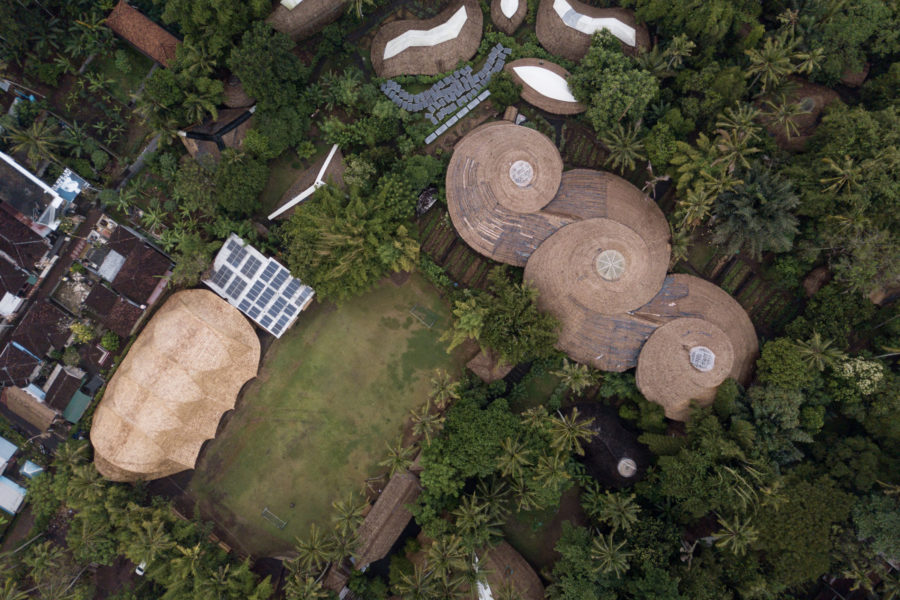

Aerial image of The Arc. Drone photo by Sasha de Laage
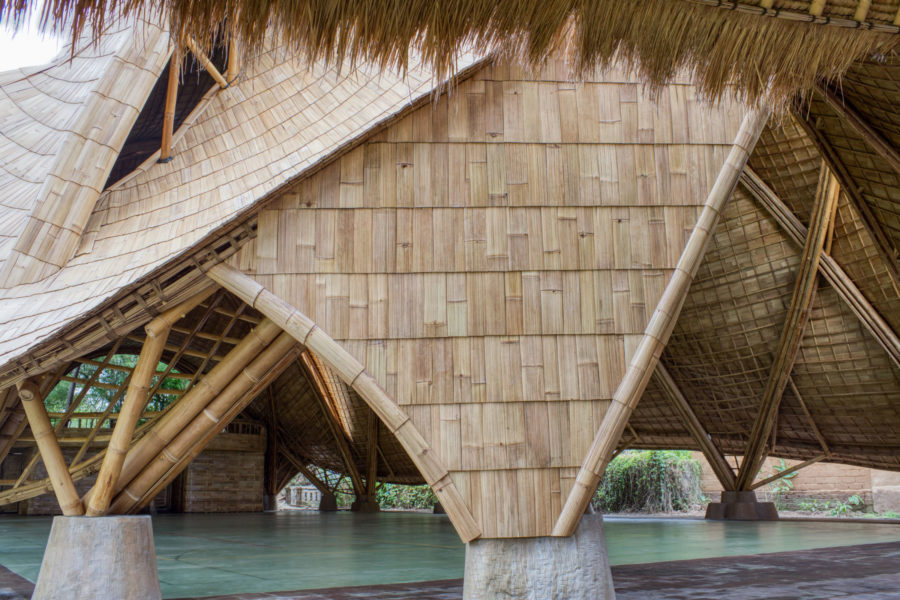

The multipurpose building was engineered to survive catastrophic events like storms and earthquakes. Photo by Tommaso Riva
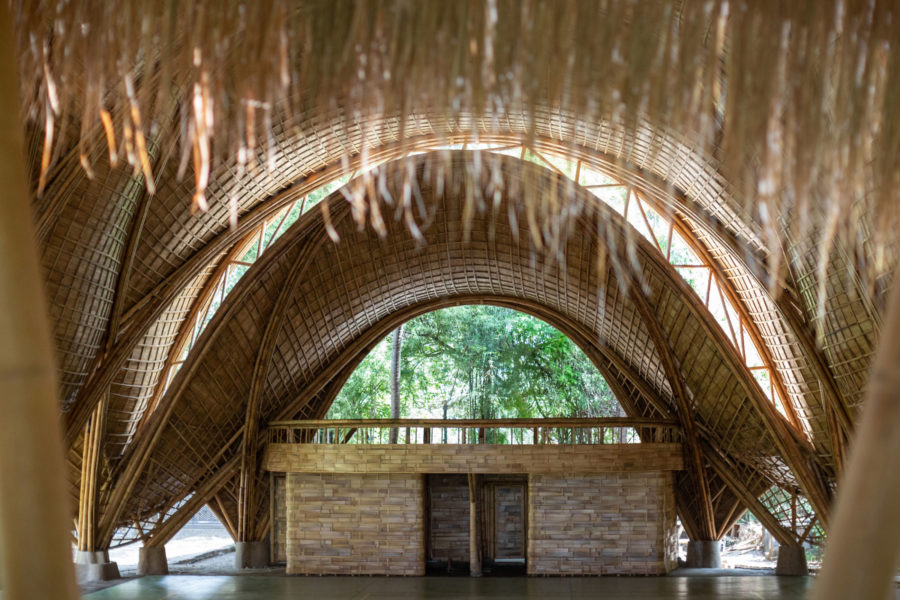

Photo by Tommaso Riva

The Arc is a great example of how broadly natural materials can be used when combined with modern design and construction. This structure shows us how organic materials can be reimagined for their strengths to fit today’s architecture needs. As many across the globe are pushing for sustainable alternatives, the IBUKU team hopes this project can be a reference point for design teams in the future.
Thursday, April 21, 2022

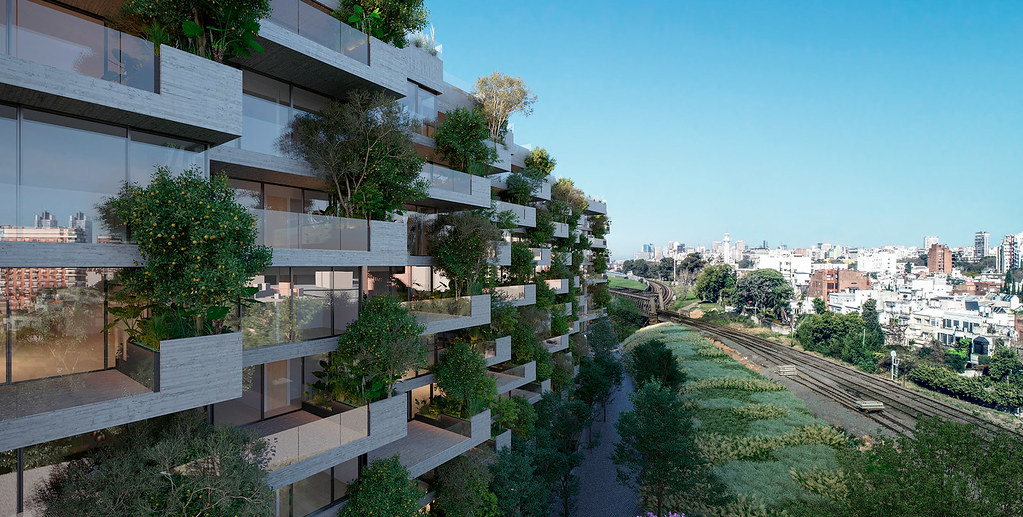
Balconies with plants covered building, Argentina

Line Ocampo


Plant covered green new sculpture for king salman park

Plant covered green new sculpture for king salman park


Offshore airports of Bahrain & Bali

 Llewelyn Davies designed offshore cargo terminal, Bahrain International Airport.

Partially Offshore Bali Airport

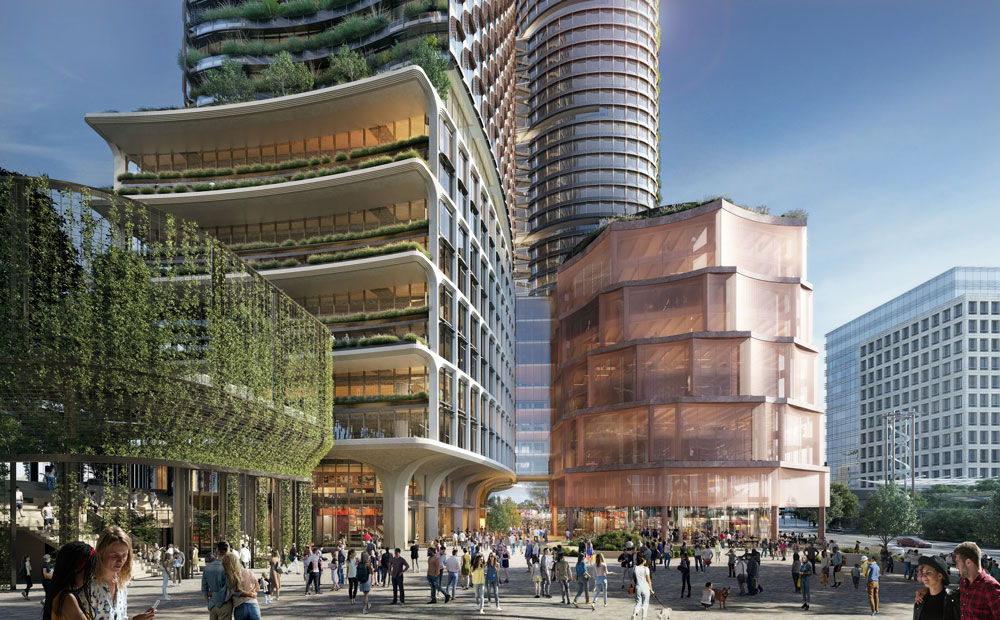
Proposed hanging garden twin towers, Sydney

Plans Lodged for $3bn Tech Hub Plans


Dexus and Frasers Property Australia have put the final touches on their proposal for a $3-billion commercial project in Sydney's emerging Tech Central precinct.

The joint venture by the country’s largest office landlord, Dexus, and the local arm of Singaporean property powerhouse Frasers comprises 130,000sq m of A-grade space across two 35- and 37-storey towers.

The Fender Katsalidis and Skidmore, Owings and Merrill-designed project, dubbed Central Place, had been navigating its way through the NSW government’s unsolicited proposal process in recent years with the third and final stage lodged mid-2020.

Central Place Sydney project director Kimberley Jackson told The Urban Developer the final development application, which highlights two new inclusions—the “Connector” building and “Pavilion”, had been the result of a detailed engagement with the City of Sydney.

“Coming out of the design competition, the ‘Connector’ building received the most scrutiny and required review,” Jackson said.

“We were asked to address the architecture and look to ‘quieten it down’ from the original scheme submitted by Fender Katsalidis and SOM.

“We’ve worked with an emerging architect, Melbourne-based Edition Office, to redesign the 10,000sq m, 10-storey building which will offer office and retail and be a highly-recognisable cornerstone for the precinct connecting to the podiums within the towers.”

The building will be targeted towards a single large tenant, due to its design around an atrium, but will be able to be configured to smaller companies and start-ups, as well as connections to the other two buildings providing potential 5000sq m floor plates.

The second component, the two-storey Pavilion, designed by Fender Katsalidis and SOM, will be located on the site of a future connection to a potential Central Precinct over-station development.
The Pavilion, designed as a flexible structure that can be disassembled and relocated, will provide amenity space for programmed events and activation.

▲ The Connector, positioned at the Lee Street frontage of the site, will be an architectural marker for Central Place Sydney.

“The building is the result of additional time and a need to have the best sustainability outcome while having a structure that we can repurpose once the over-station development connection is in place further down the track,” Jackson said.

The Dexus-Frasers proposal will also invest in improving the public realm around Central Station.
Another key element of the proposal is an underground last-mile facility for essential services which will allow future over-station development in the precinct.

The development, which will form part of Sydney's emerging Tech Central precinct—a 24ha area at the southern end of the CBD, will have some similarly ambitious projects neighbouring it.

To the north of the development, developer Toga is moving ahead with plans for a 42-storey commercial tower of its own, while to the north-east Atlasssian’s has approval for a $1-billion-plus concrete and timber tower.

The precinct is expected to create 25,000 jobs by 2036 with a focus on science, technology, education and mathematics (STEM), along with life sciences and increased technology exports.

While early occupancy levels and square metre rates couldn’t be discussed at this early stage, Jackson said interest from technology companies wanting to position themselves within the forthcoming development had remained high throughout the pandemic.

“The offers that we are putting out into the market are highly competitive,” Jackson said.
“Those looking to take space within the towers understand that this is a chance to reinvent their workplace to provide their staff with the extra motivation to return to the CBD and the office.
“Prospective tenants are now taking up more space per person post-pandemic.”

Subject to leasing the project will be delivered within a single stage of construction but is also designed to be built in two stages if required.

Under a two stage delivery schedule the north tower, connector building and the first two levels of the south tower’s podium will be constructed as part of the initial stage.

The community will have the opportunity to provide feedback through the City of Sydney’s public exhibition process.

Dexus and Frasers are expected to submit an expression of interest to tier-one builders vying to construct the project shortly.

Pending approvals, the project is anticipated to create 700 jobs in construction and will accommodate more than 10,000 jobs once realised.

Monday, April 18, 2022

Friday, April 15, 2022

Glass pool balcony and a terrace perfect for ULM helicopters

Transparent glass swimming pool in Balcony, Gioania GO Brazil

As piscinas foram copiadas do Infinitá, que fica em Itajaí SC.

Imagine your ultralight helicopter on your terrace home in HafenCity Überseequartier. Eleven Decks

Monday, April 11, 2022

Green foliage over buildings in Philippines and Indonesia

 Office building by The W Group is set to rise 30 floors in Bonifacio Global City, Philippines

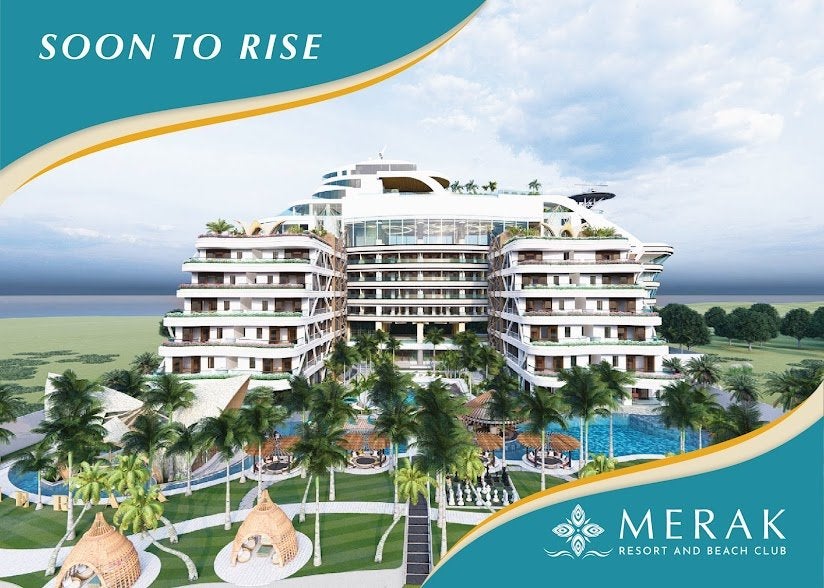
Merak Resort & Beach club

Green foliage of Bali Airport Parking area, Indonesia

Friday, April 1, 2022

Grok helps the broke

Grok is helping raise my self up as a broker of attainable, accessible, inclusive and sustainable helicopters. Ahm...